01 · Strategy
Encoding the barrio, not erasing it
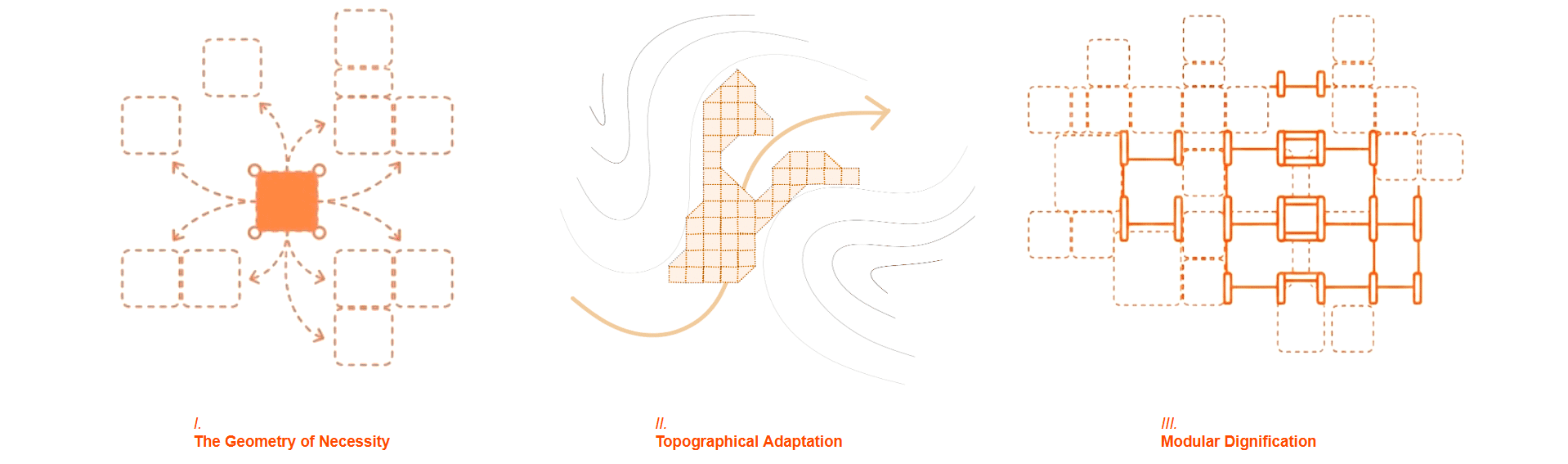
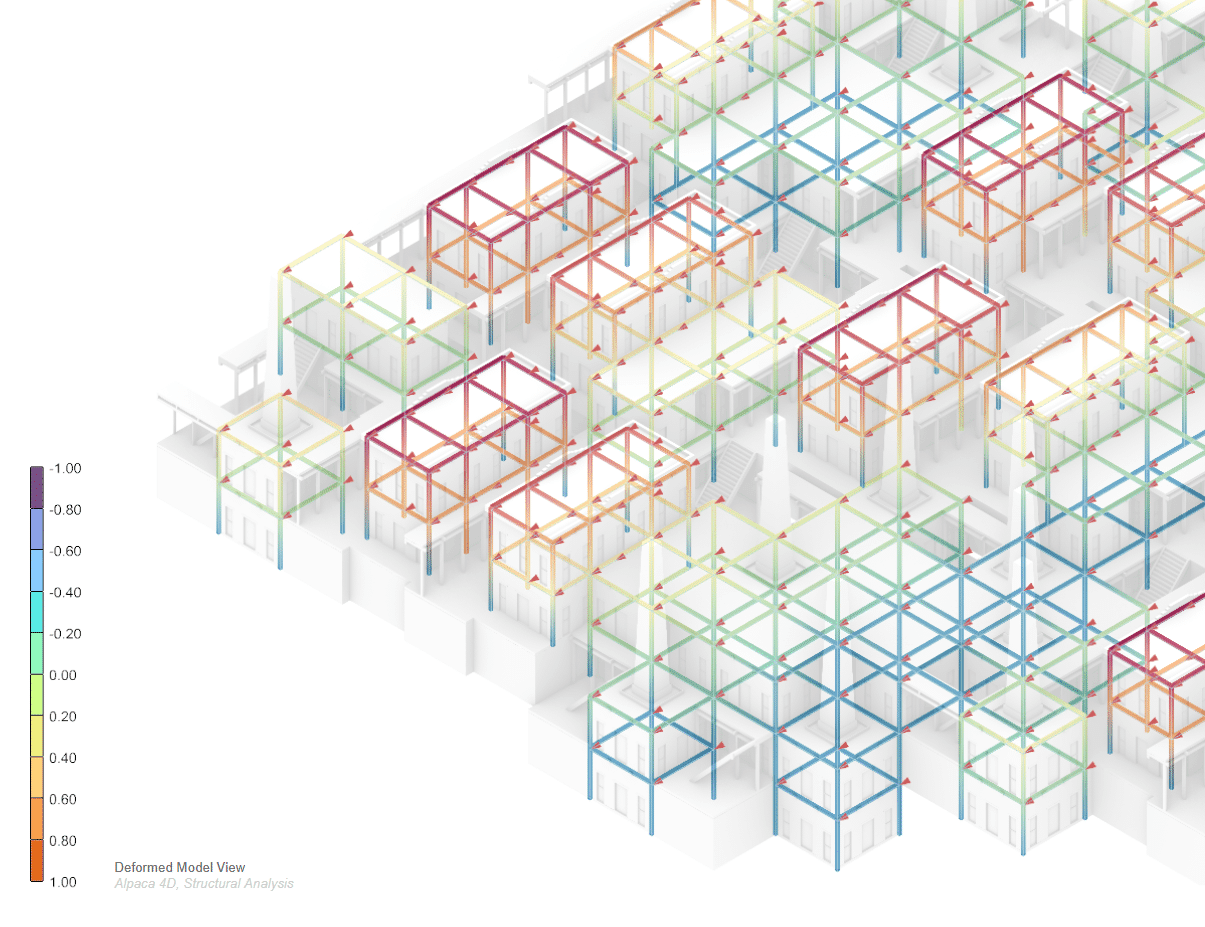
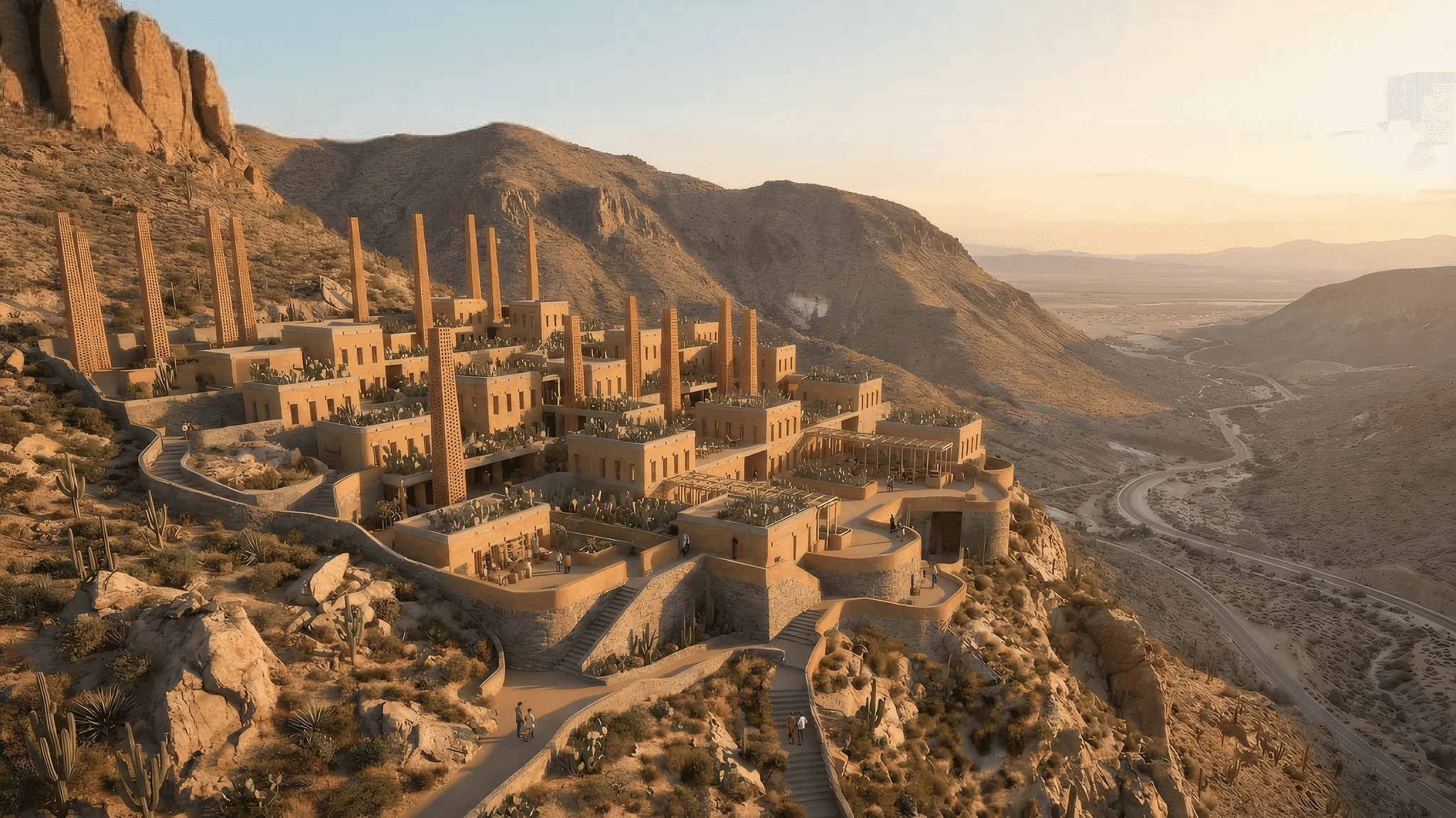
Three computational concepts translate the barrio's spontaneous survival logic: Wave Function Collapse for rule-based rather than gridded growth, a topographical agent that interweaves with Chihuahua's hills, and modular dignification (structural safety and climate resilience without losing the self-built essence).
02 · Typology
The Tianguis: a little bit of everything
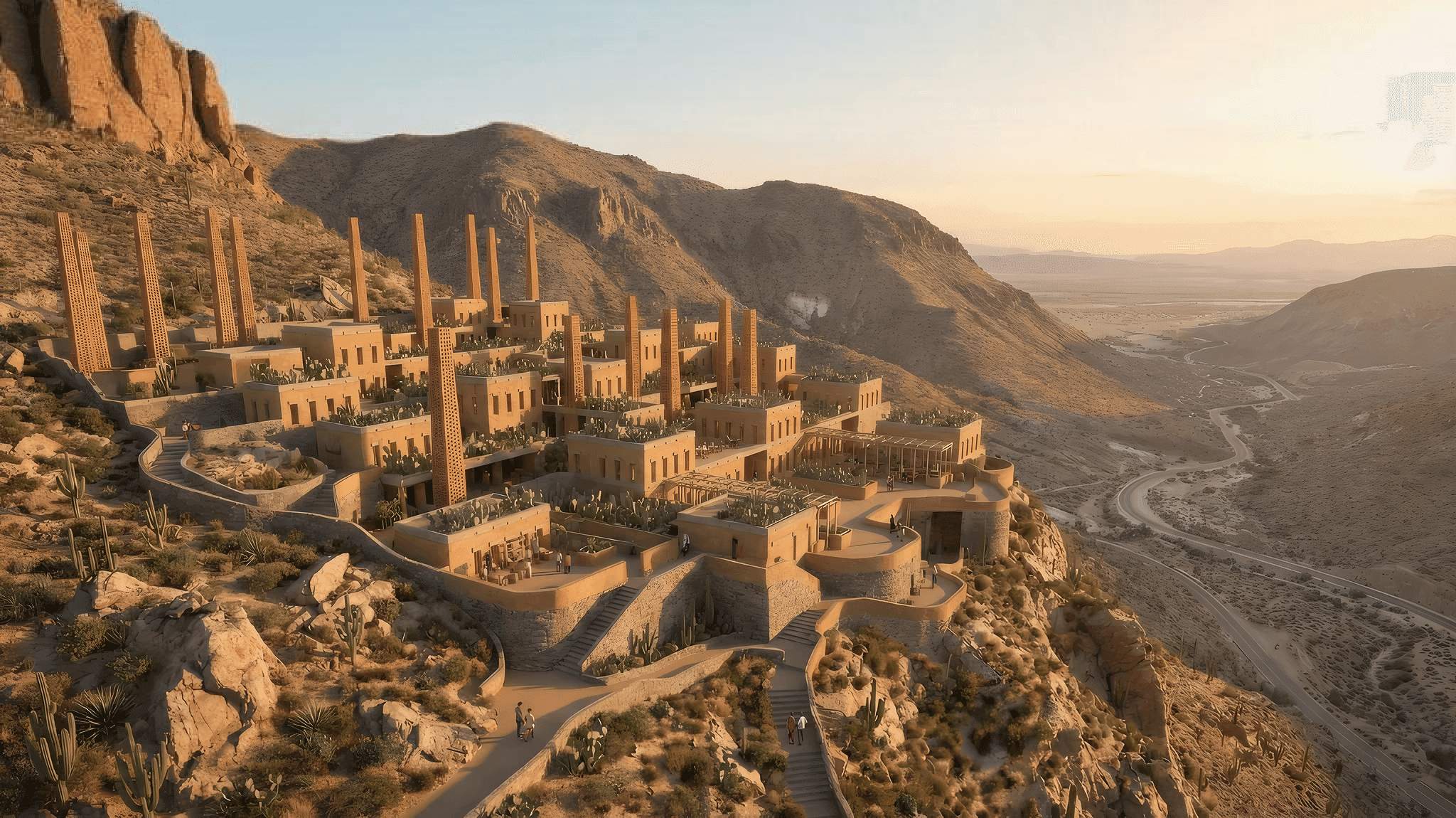
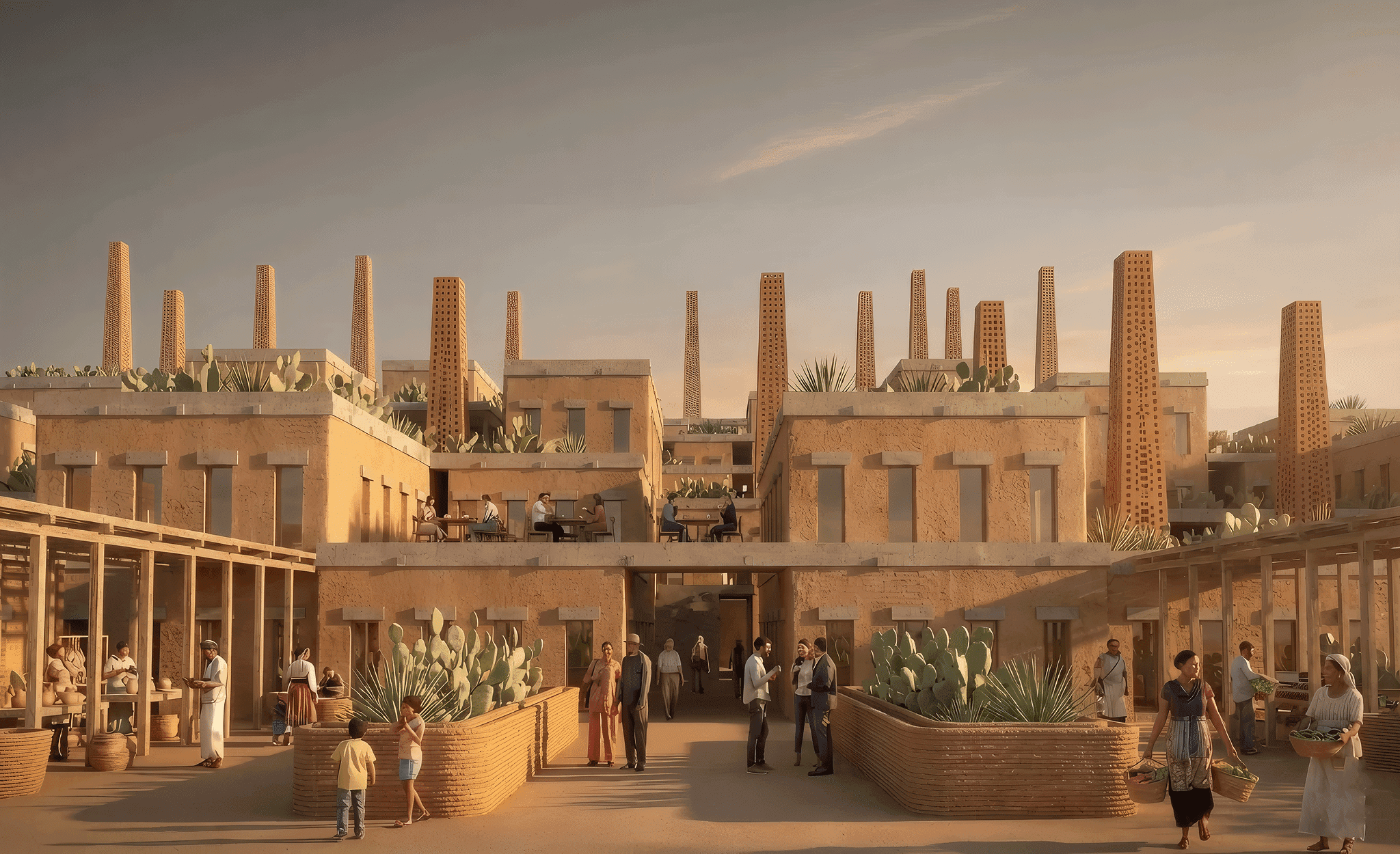
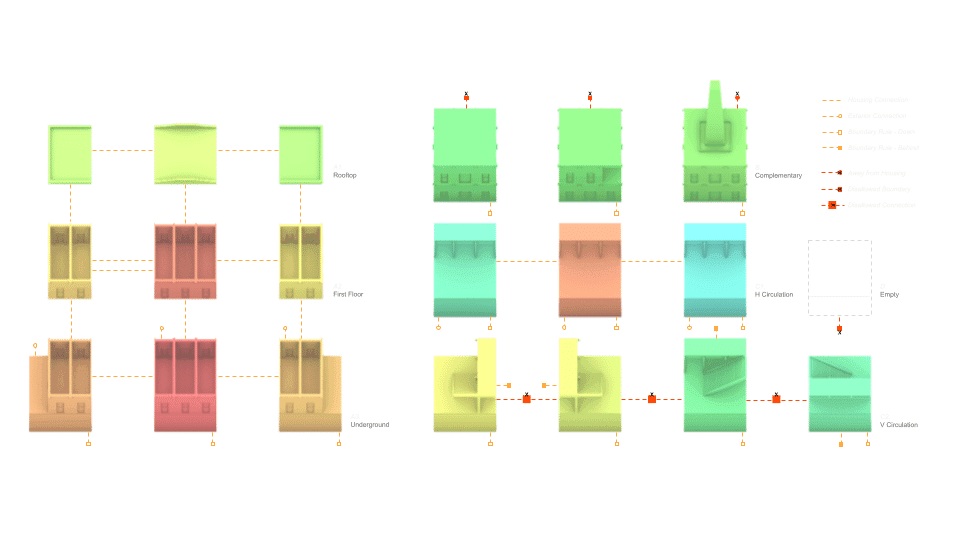
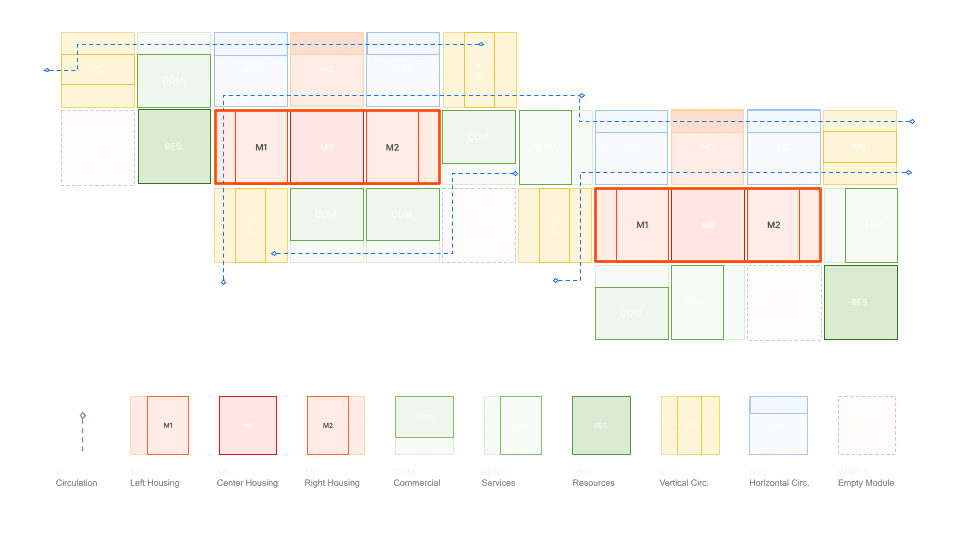
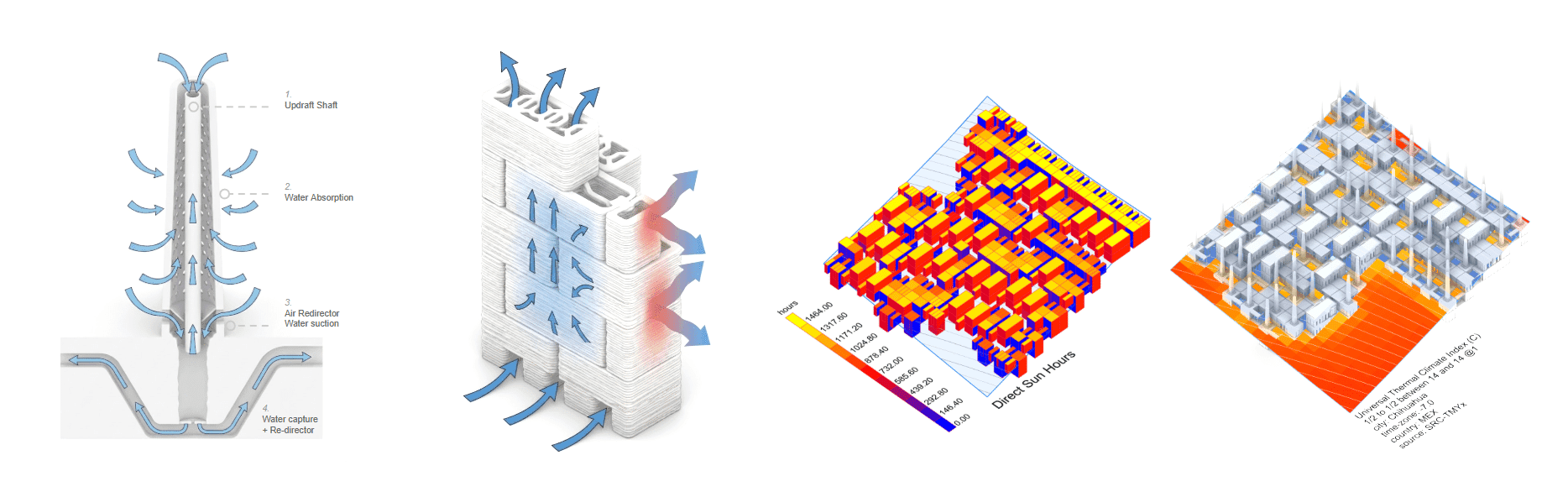
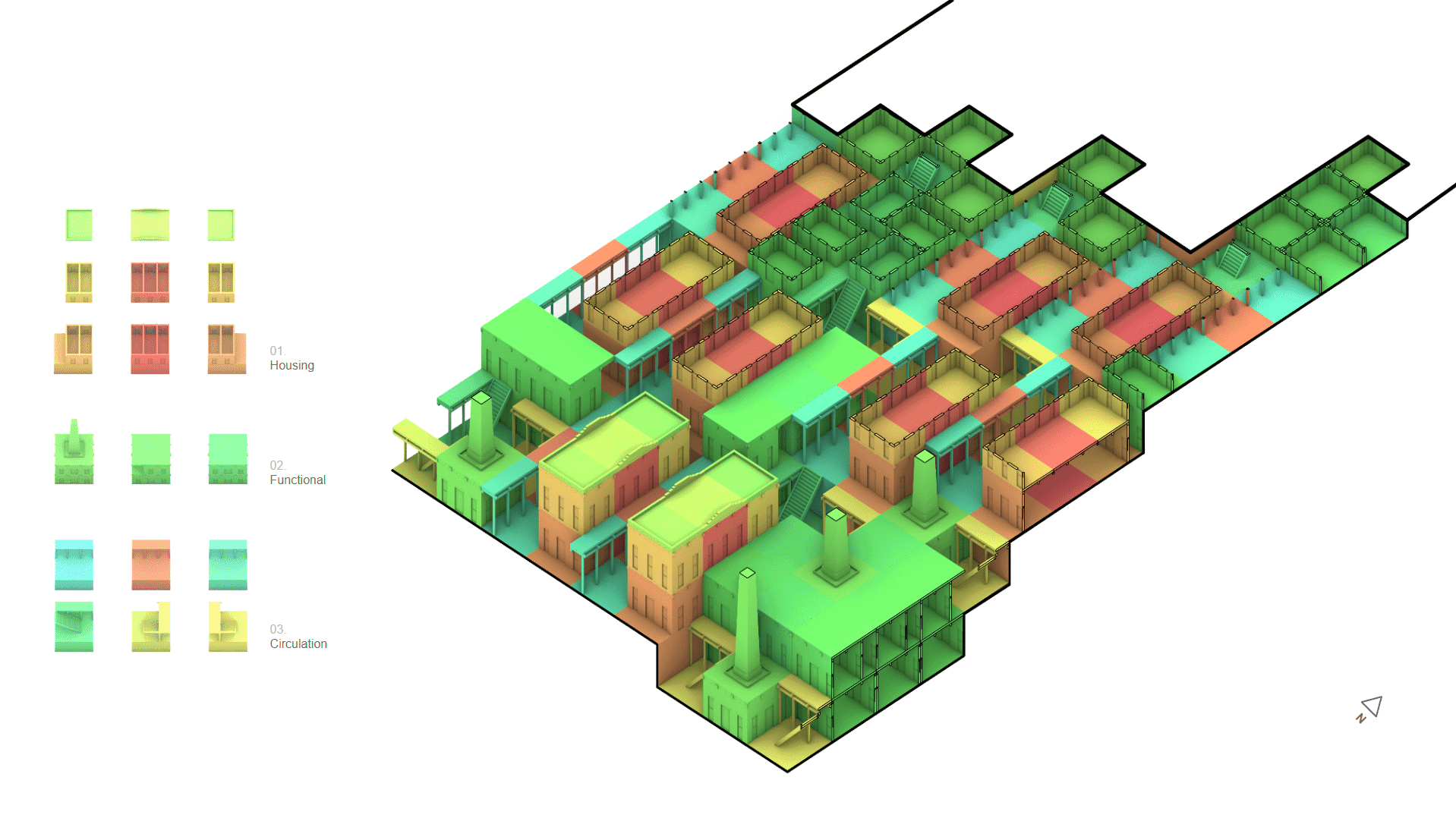
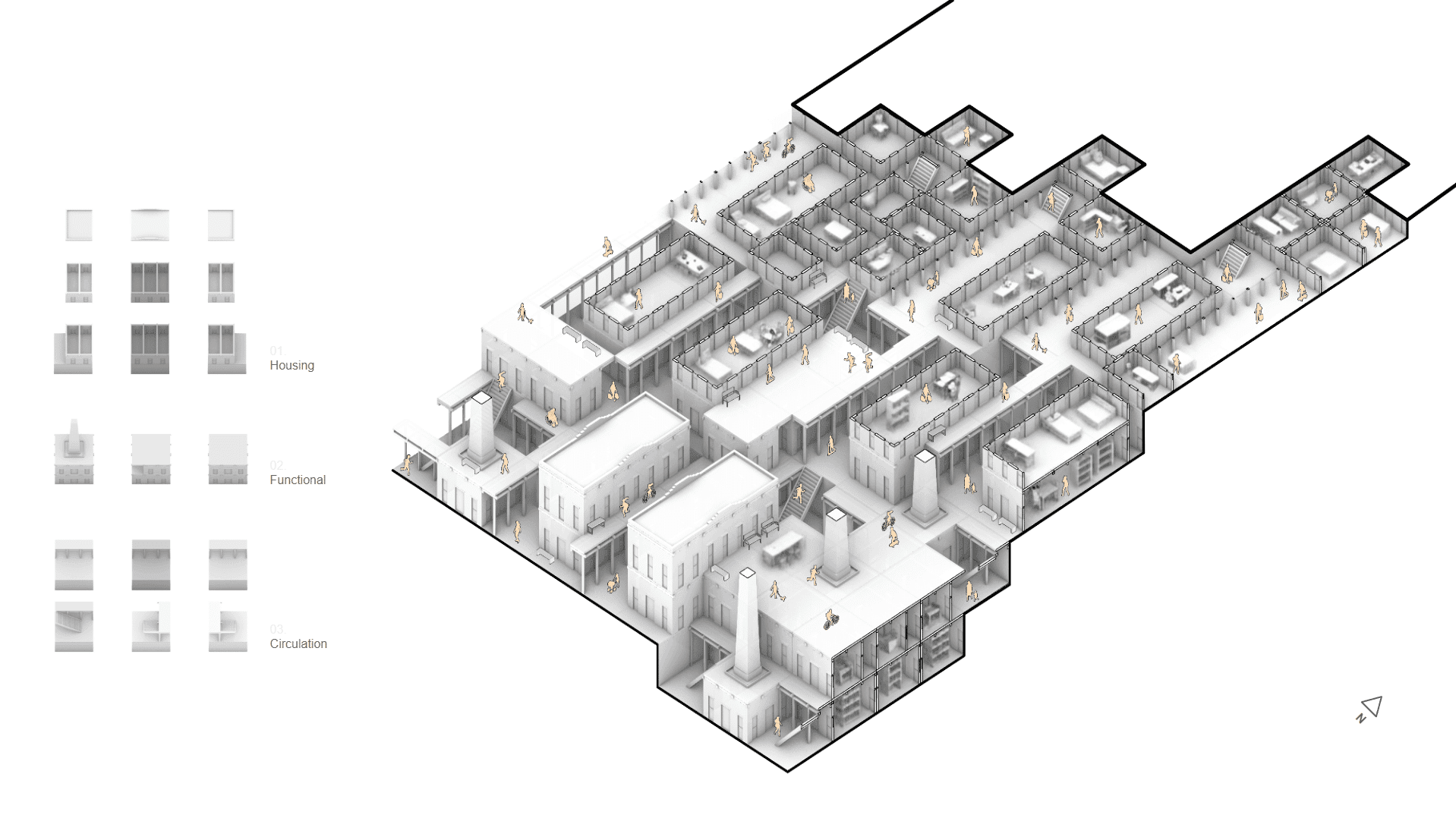
Organised like the traditional open-air market, clusters stay under six modules to hold a human scale. Housing modules go subterranean for thermal inertia or open to voids above for ventilation; functional modules carry commerce and rainwater harvesting; circulation modules (cores and bridges) adapt to the slope.
03 · Workflow
TSP path, then Monoceros aggregation
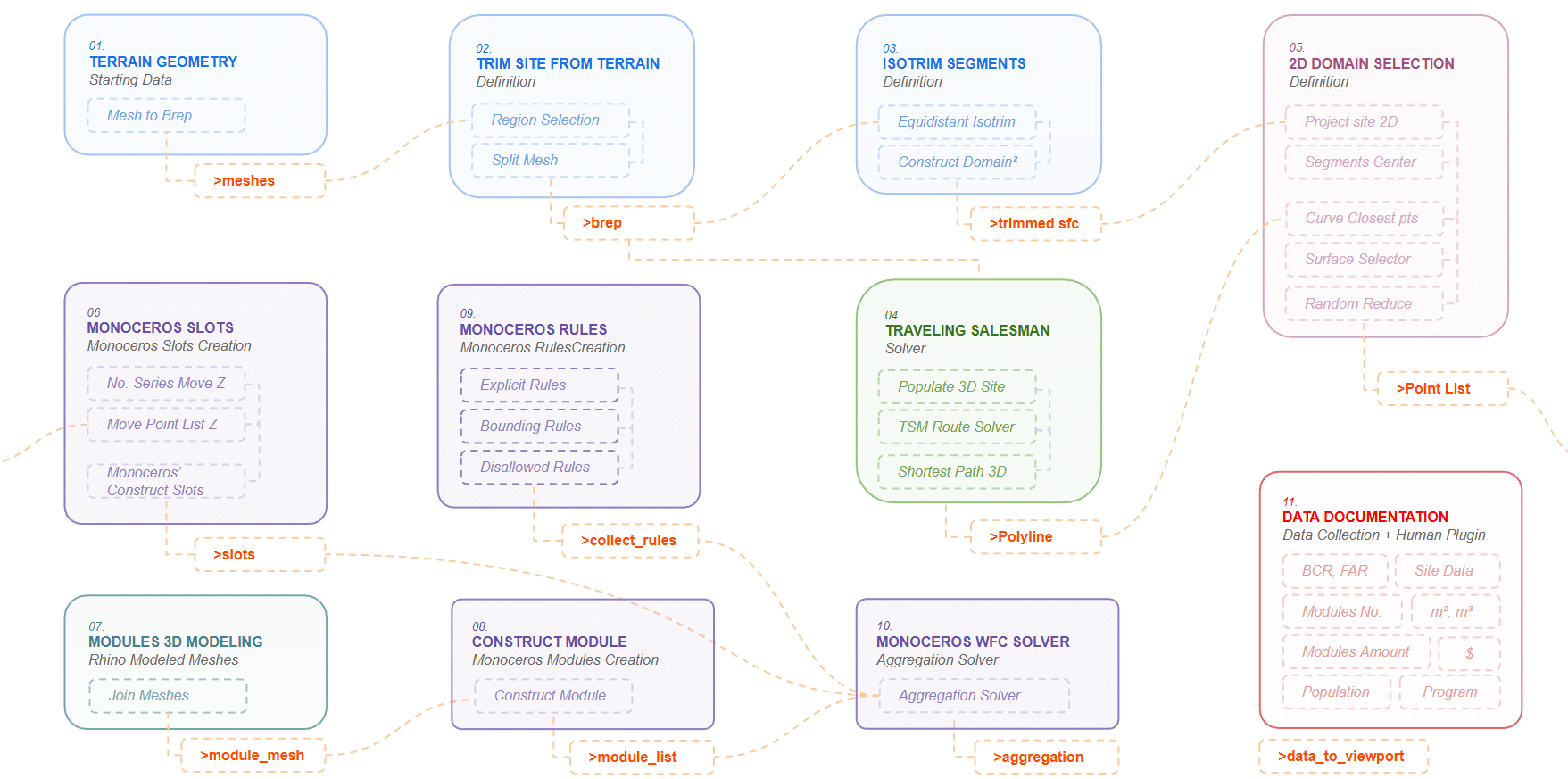
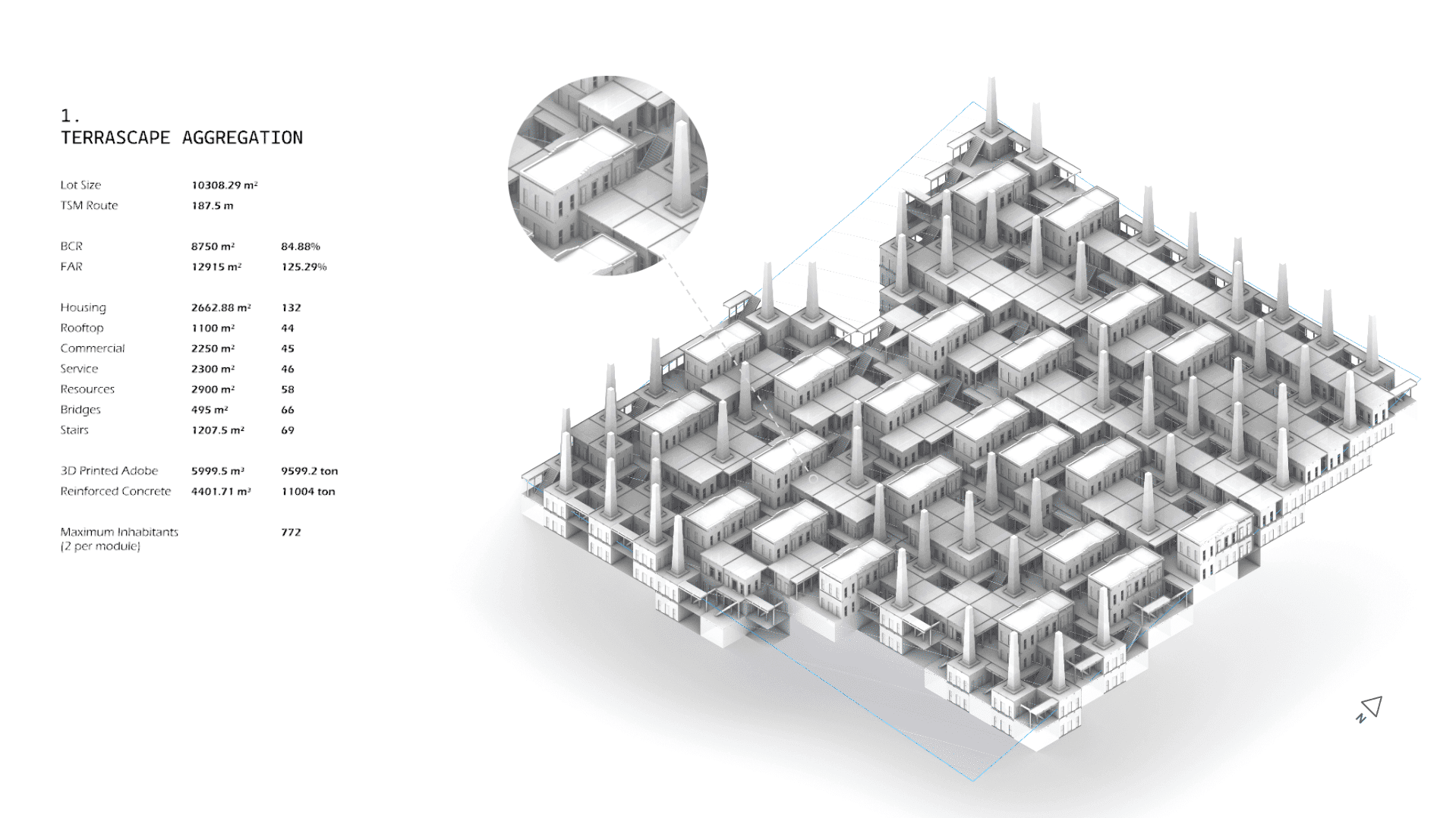
The terrain is read first, a Traveling Salesman solve finds the shortest path between points of interest, and that route projects onto the module grid for Monoceros to aggregate against. The result reports its own area, BCR, FAR and population density as it forms.
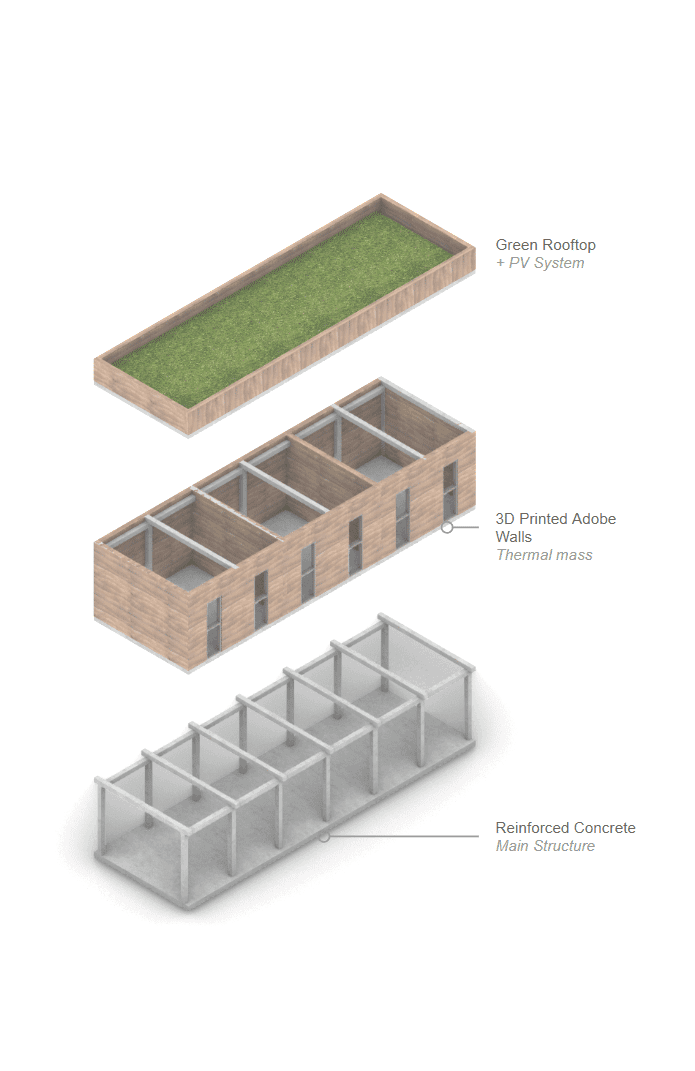
- Primary structure
- 3D-printed adobe
- Water yield
- 3–10 L/m² per day
04 · Validation
Stress-tested across five sites
From a steep mountain periphery demanding an organic response to a flat urban lot suited to grid logic, the aggregation was tested across five extreme topographical conditions, proving the system holds regardless of slope or scale.