01 · Context
The layout is guessed once, then lived with
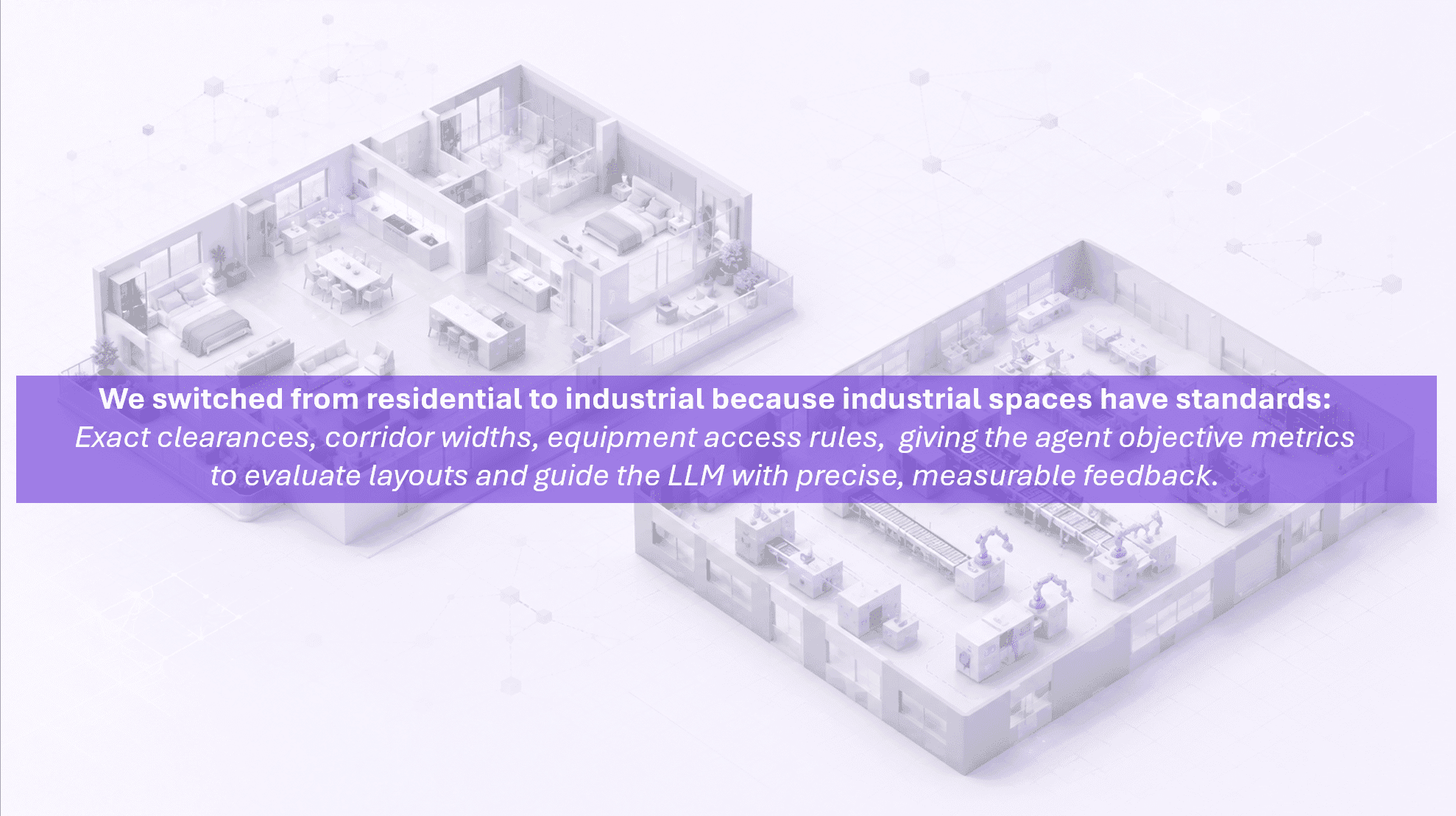
Production layouts are set at the start of a project, from experience rather than measurement, and rarely revisited. The cost of a poor arrangement is paid every shift afterwards, in metres walked and sequences that double back on themselves.
02 · Agent
Reinforcement learning over the floor plan
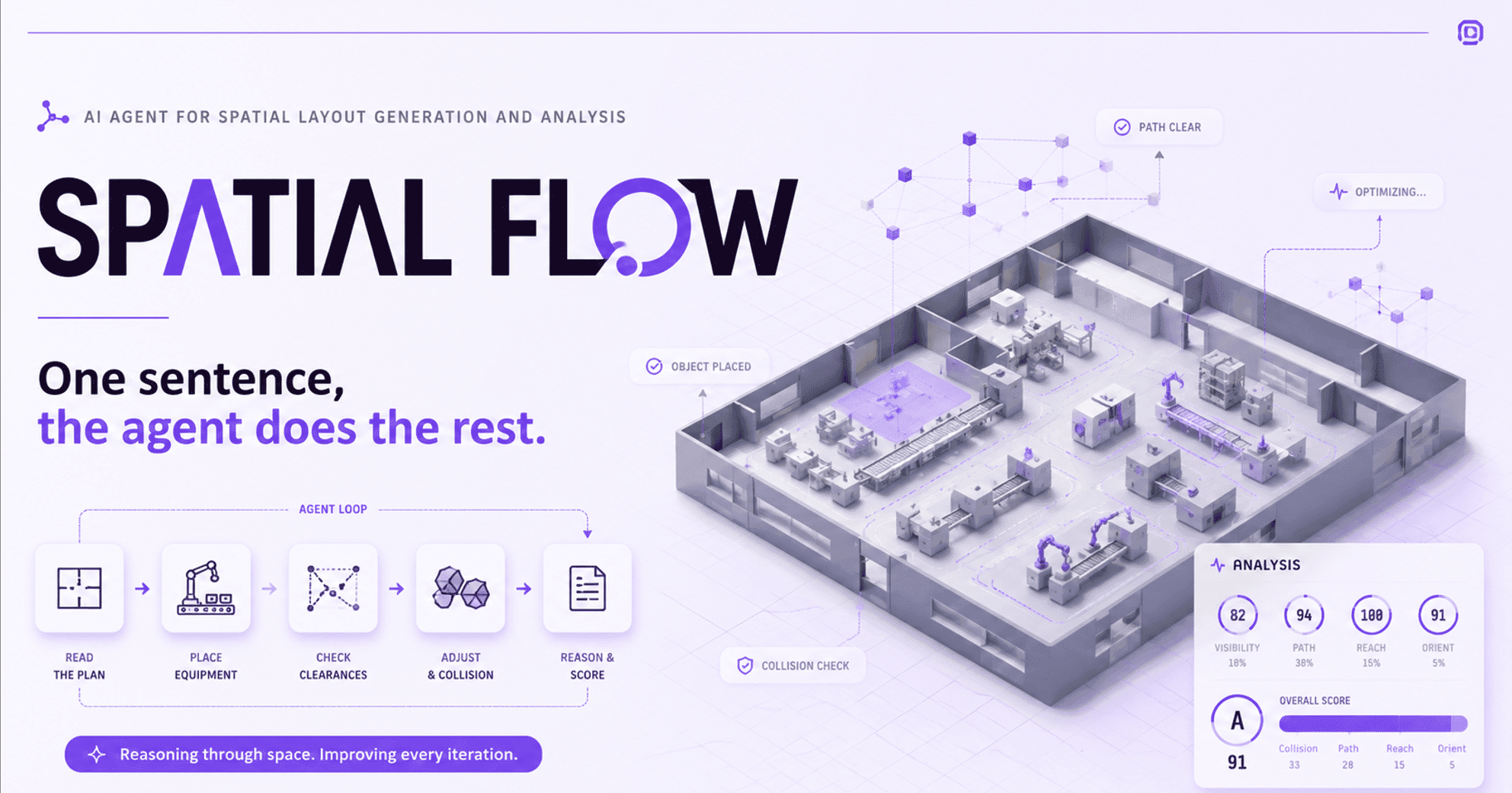
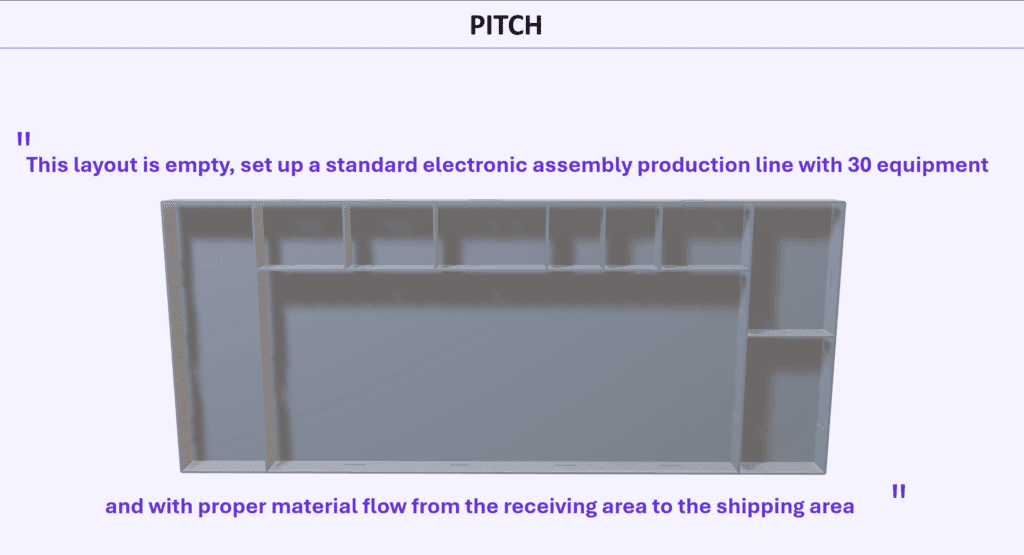
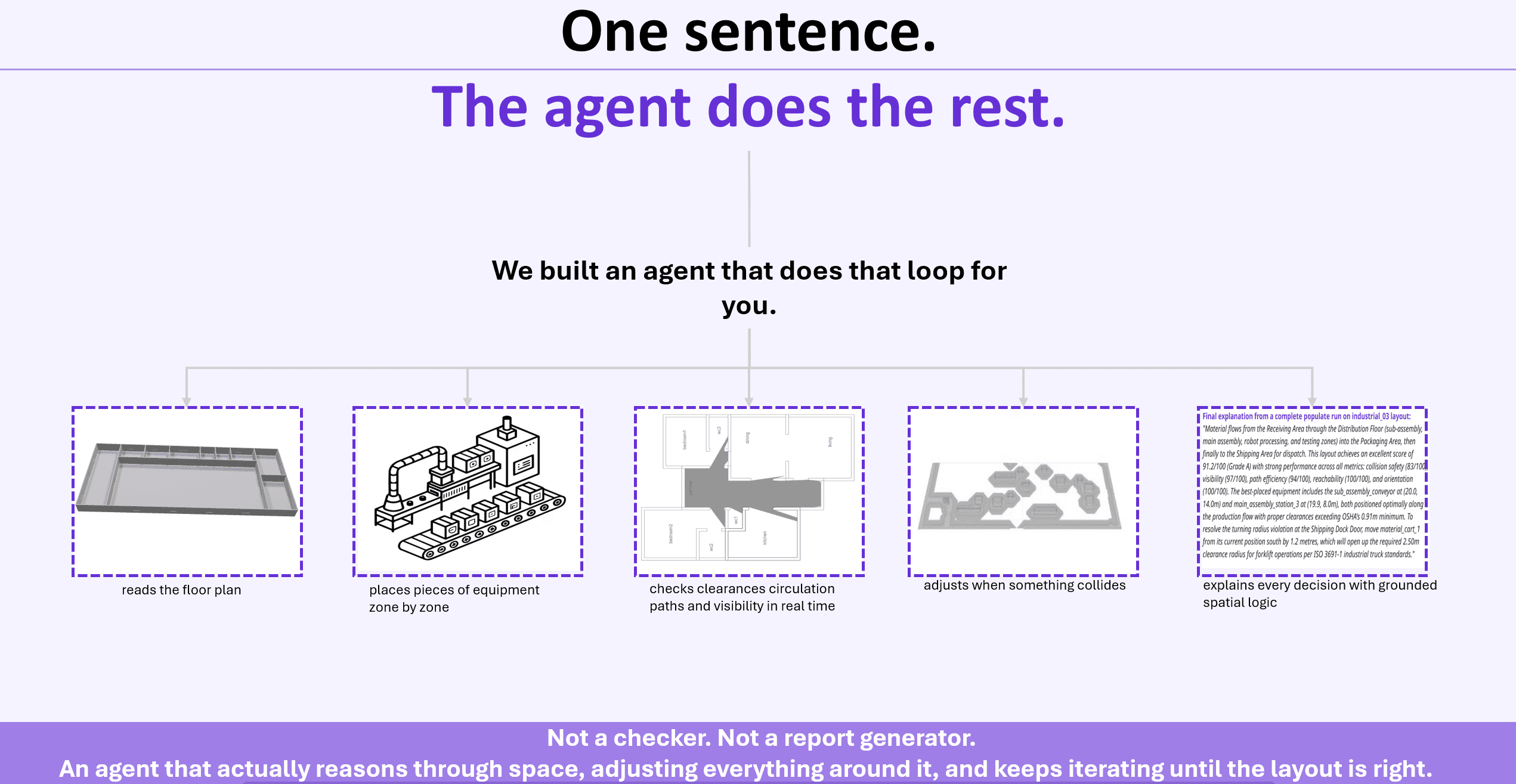
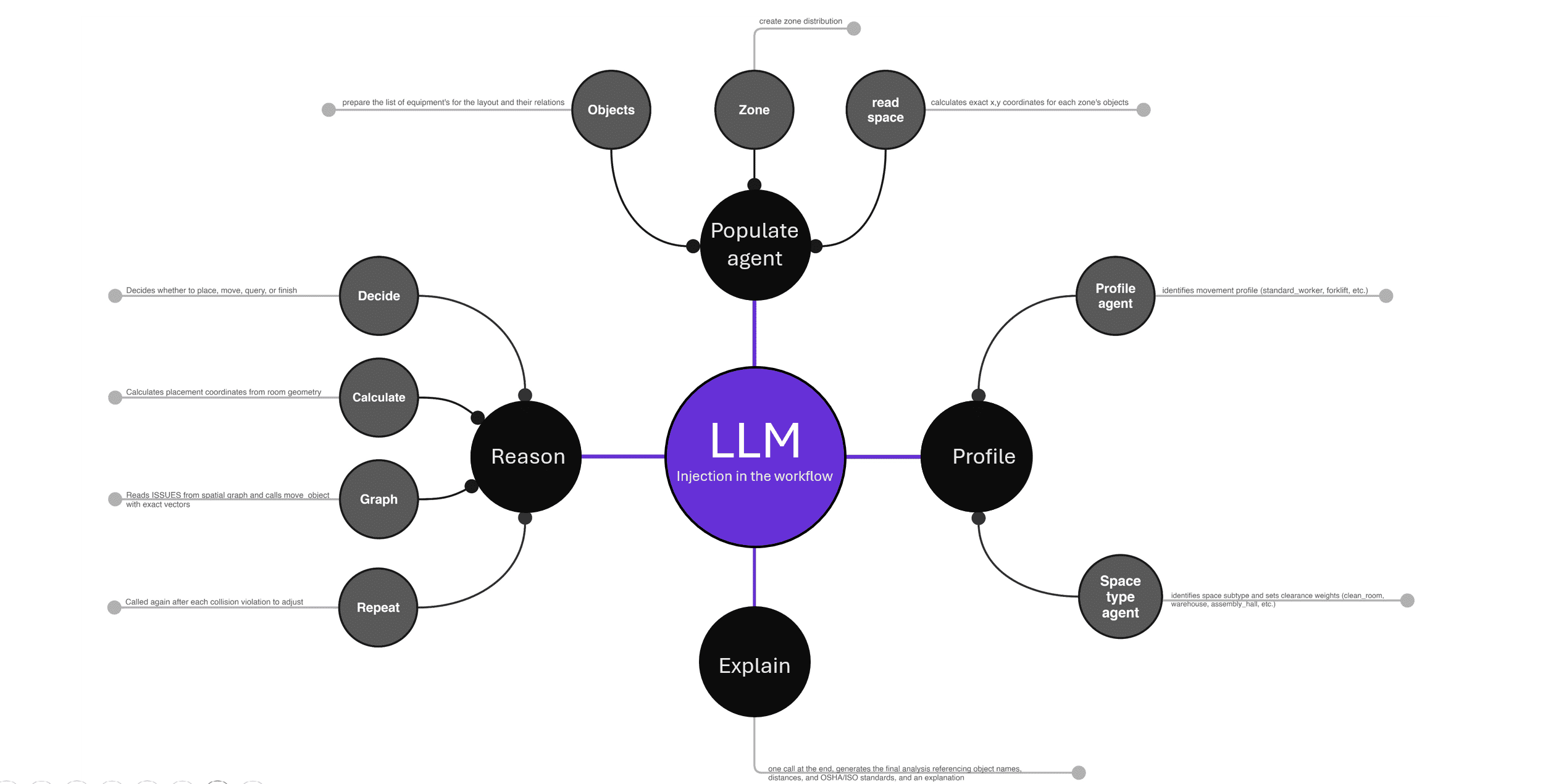
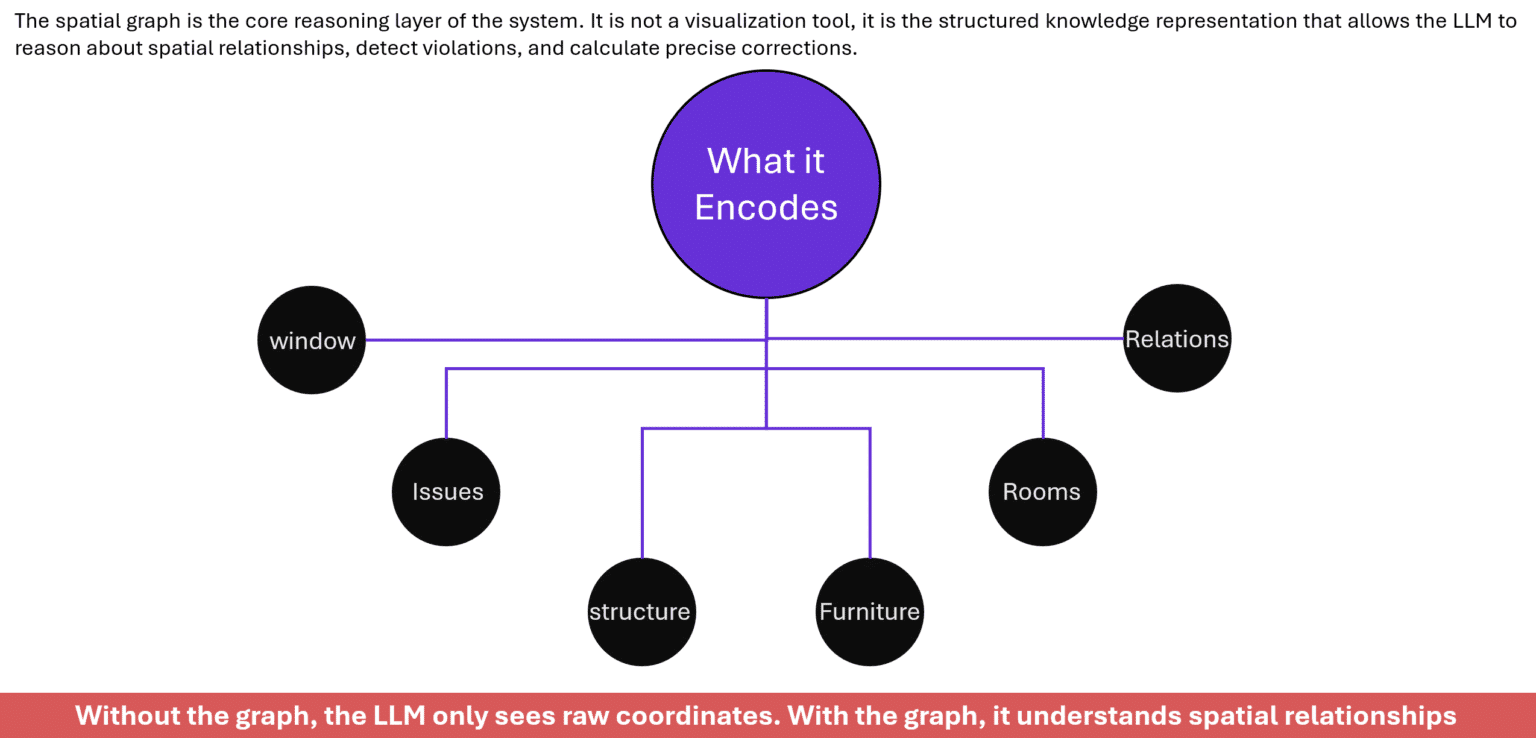
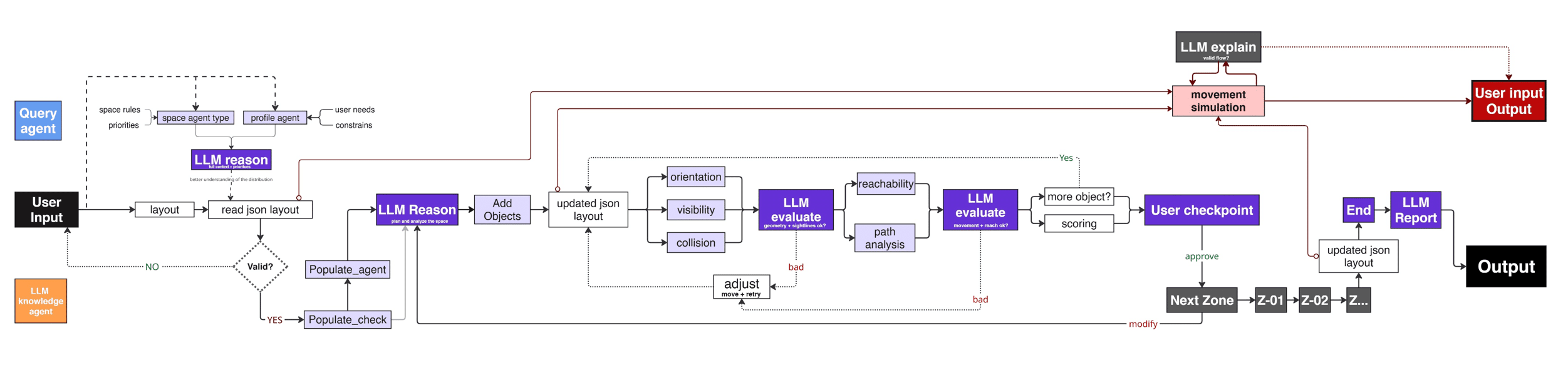
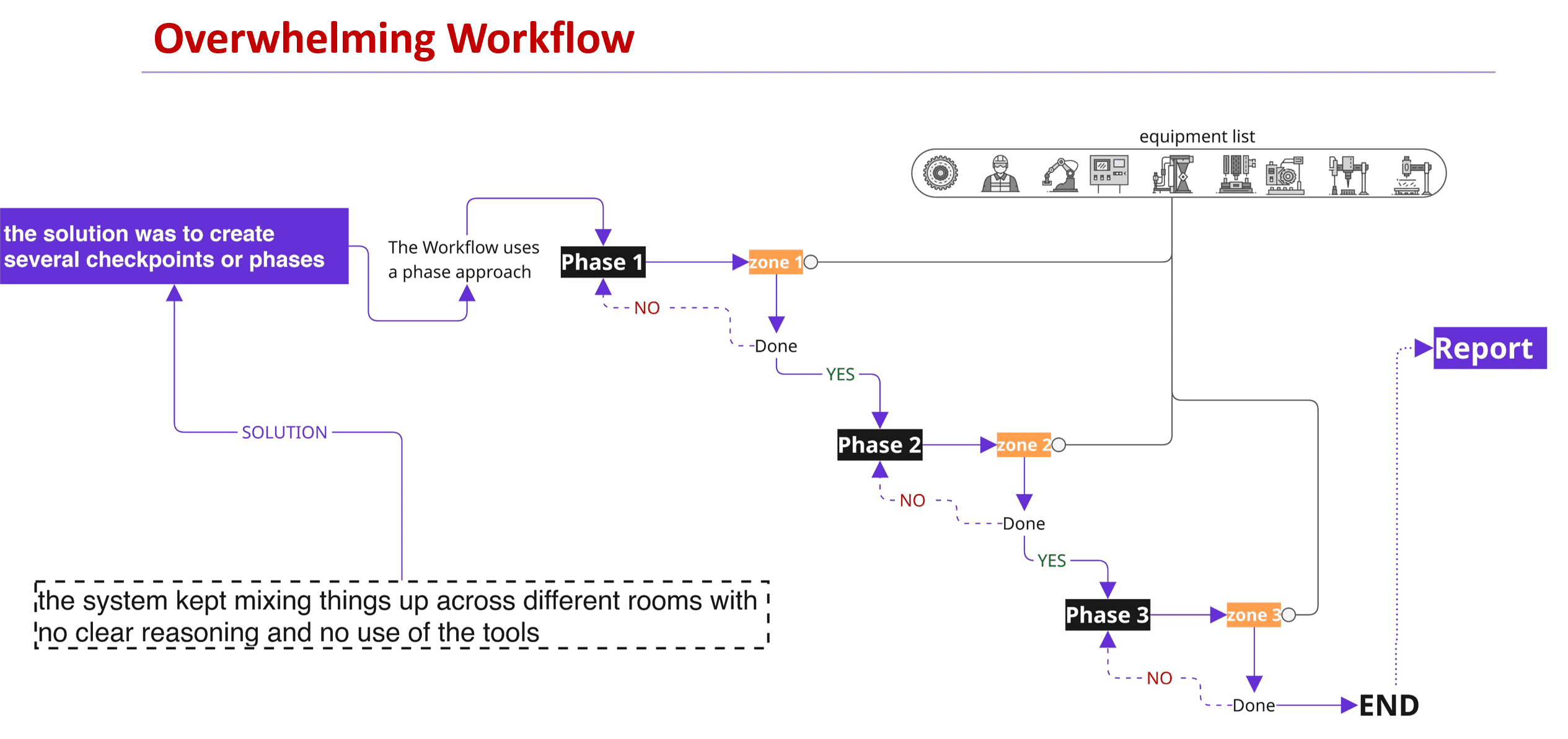
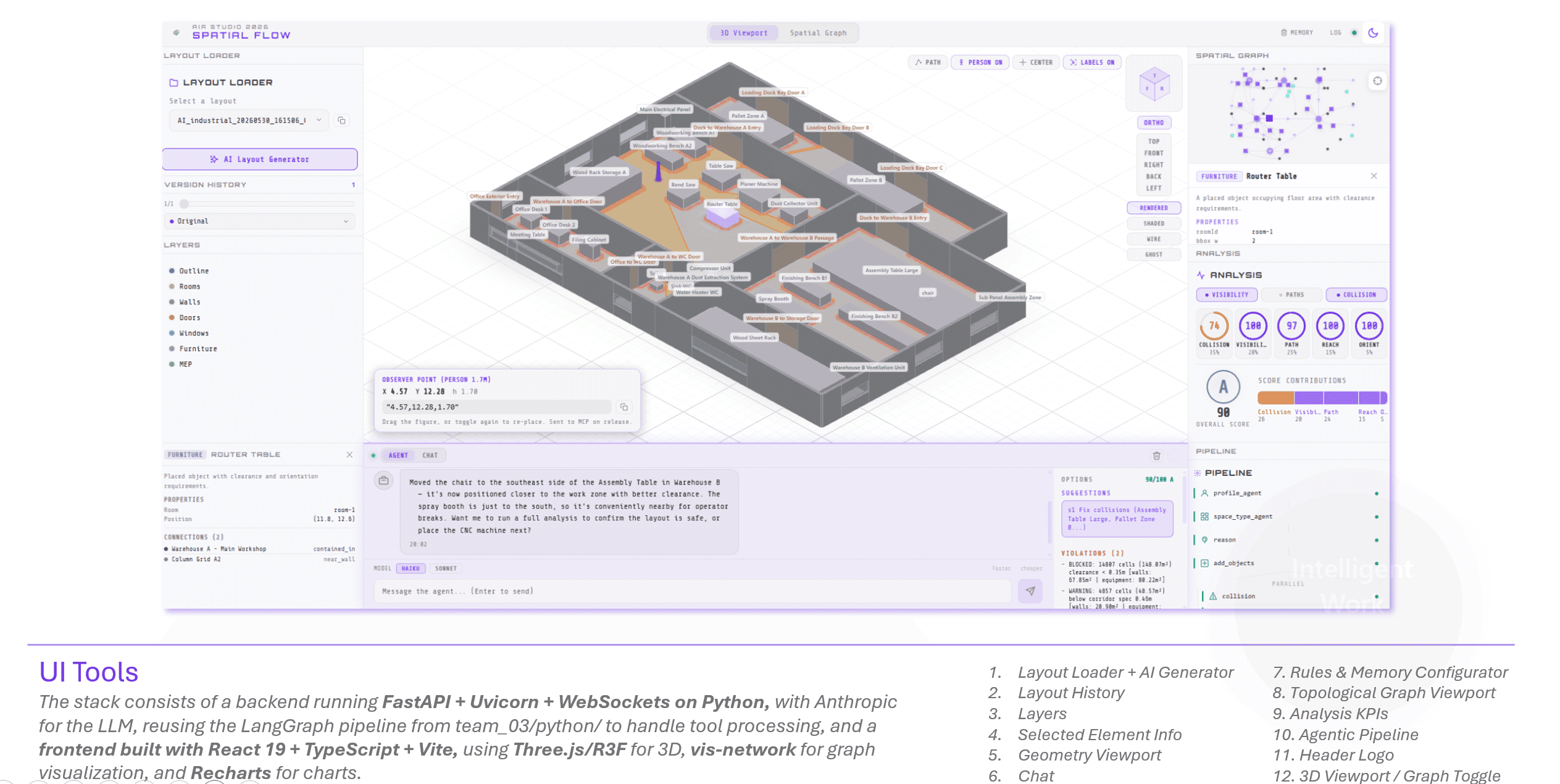
The agent places machines, workstations and circulation, then scores what it built against travel distance, operational sequence, accessibility and collisions. Each attempt informs the next, so the search concentrates where the gains are instead of sampling at random.
03 · Evaluation
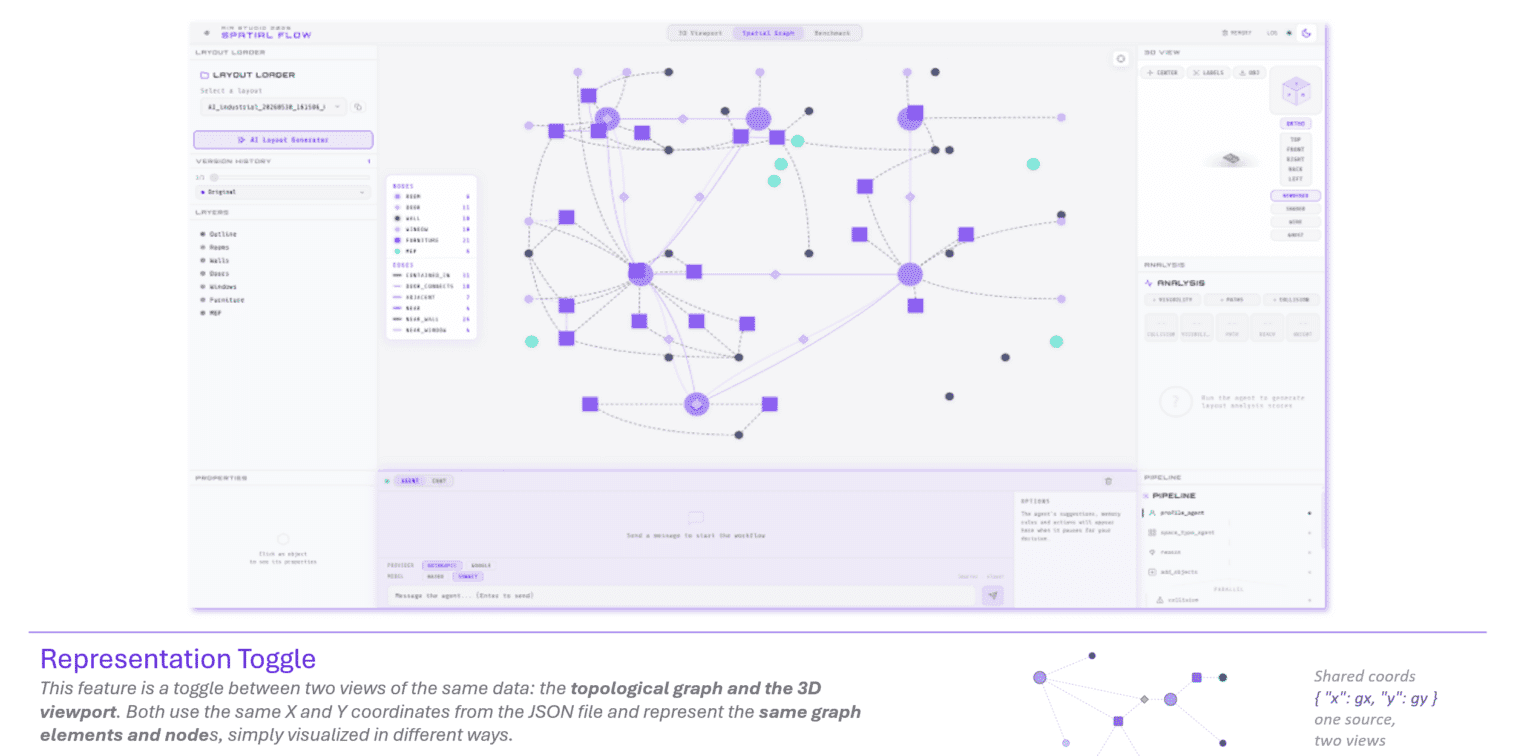
State graphs, stress tests, benchmarks
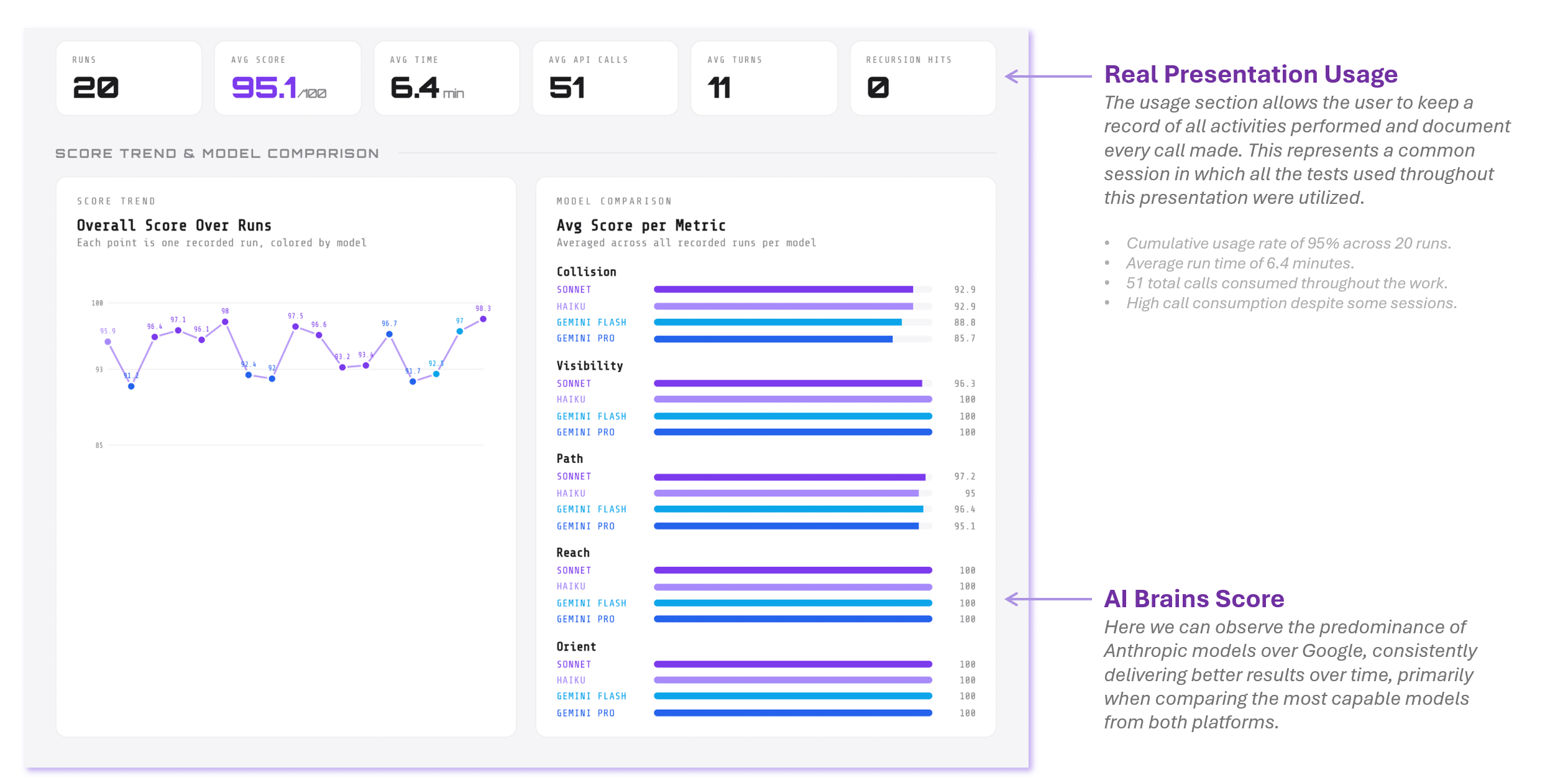
A layout that scores well once proves nothing. Configurations are pushed through state graphs and stress tests so the comparison holds under changing volumes, and benchmarking keeps the agent honest against arrangements a planner would have drawn.
- Scored against
- Travel · sequence · access · collisions
- Output
- Ranked layouts, not one answer
04 · Outcome
Comparison, not a verdict
The designer is left with several defensible layouts and the reasoning behind each. That is the useful form: planning decisions get made faster because the trade-offs are explicit, not because a black box picked one.